
Road-Ready Upgrades Without Compromise

Understanding ADAS Sensitivities During Mechanical Upgrades
Selecting Wheels and Tires That Respect OEM Geometry
Offset, Scrub Radius, and Steering Feel
Rolling Circumference and Speed Signal Integrity
Material, Strength, and Sensor Compatibility

Brake Upgrades That Play Nicely with Modern Electronics
Pre-Calibration Essentials
Static Target Procedures with Precision Setup

United States: FMVSS, State Laws, and Documentation

European Union and UK: UNECE and Type Approval
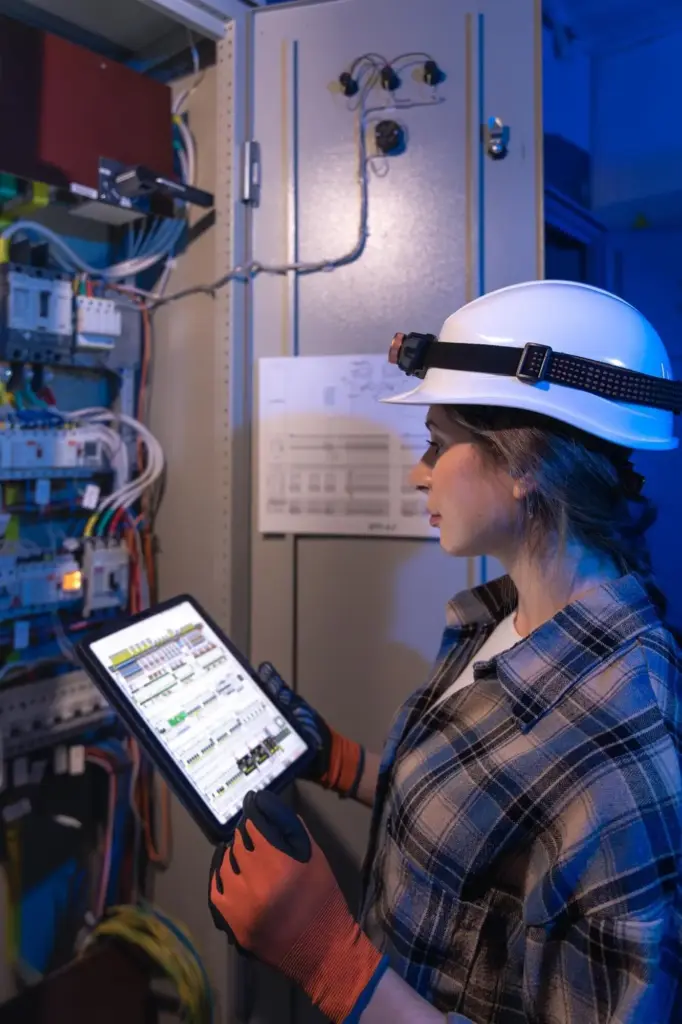
Workshop Workflow, Tools, and Quality Assurance
Tools That Make Precision Repeatable
Corner-weight scales reveal balance shifts, laser alignment heads lock toe and camber, and digital inclinometers tame radar pitch and camera roll. A high-quality balancer with road-force capability prevents vibrations that confuse sensors. Use OE-level scan tools for guided calibrations and software checks. Stock hub-centric rings, thread gauges, and torque angle meters. These instruments turn careful craftsmanship into predictable, documented outcomes customers can feel immediately, from first braking bite to straight-arrow highway poise.
Bedding and Burnishing Procedures
Follow the pad manufacturer’s heat-cycle pattern, escalating stops progressively to lay uniform transfer layers. Avoid holding the pedal at a stop while rotors are scorching. After cooling, confirm consistent pedal feel and clean friction surfaces. Proper bedding stabilizes mu, preserves ABS harmony, and prevents judder or glazing. Schedule a follow-up inspection to check for uneven imprinting, confirming the system beds evenly under the owner’s habitual routes and driving style.
Customer Handover and Education
Share a simple guide covering torque recheck intervals, tire pressures, and early caution for bedding. Provide printed calibration reports and alignment specs, celebrate the improved feel, and explain what a healthy intervention should feel like. Invite questions, encourage subscribers to join a maintenance newsletter, and ask for feedback after a week. Informed drivers partner with their electronics, spotting issues early and enjoying the confident, refined personality their carefully upgraded vehicle now delivers every day.